Domain dvmv.de kaufen?
Wir ziehen mit dem Projekt
dvmv.de um.
Sind Sie am Kauf der Domain
dvmv.de interessiert?
domain@kv-gmbh.de · 0541-91531010
Domain dvmv.de kaufen?
Cake or fake?
It depends on the context. If you are asking about a choice between eating cake or something that is not real, then cake would be the preferred option. However, if you are asking about the authenticity of something, then fake would imply that it is not genuine or real. **
Travelling or traveling?
Both "travelling" and "traveling" are correct spellings of the word, but they are used in different regions. "Travelling" is more commonly used in British English, while "traveling" is more commonly used in American English. **
Ähnliche Suchbegriffe für Or
Top-Angebote
Produkte zum Begriff Or:
-
Will or gonna?
"Will" and "gonna" are both used to express future actions, but there are slight differences in their usage. "Will" is more formal and is used in more formal situations, while "gonna" is a more informal and colloquial way of expressing future actions. **
-
Do or does?
The choice between "do" and "does" depends on the subject of the sentence. "Do" is used with plural subjects and "does" is used with singular subjects. For example, "They do their homework" and "She does her homework." **
-
Anyway or anyways?
Both "anyway" and "anyways" are commonly used in spoken English to mean the same thing. However, "anyway" is more widely accepted and considered to be the standard form. "Anyways" is often considered to be more informal or colloquial. **
-
Doesn't or don't?
The correct form to use depends on the subject of the sentence. "Doesn't" is used with singular subjects, while "don't" is used with plural subjects. For example, "He doesn't like coffee" (singular subject) and "They don't like coffee" (plural subject). **

Gucci or Prada?
That is a subjective question and it depends on personal preference. Both Gucci and Prada are luxury fashion brands known for their high-quality products and unique designs. It ultimately comes down to individual style and taste. **
Do or make?
The choice between "do" and "make" depends on the context and the specific action being referred to. "Do" is generally used for activities or actions that involve performing or carrying out something, while "make" is used for creating or producing something tangible. For example, you would say "do your homework" but "make a cake." **
Top-Angebote
Produkte zum Begriff Or:
-
Cake or fake?
It depends on the context. If you are asking about a choice between eating cake or something that is not real, then cake would be the preferred option. However, if you are asking about the authenticity of something, then fake would imply that it is not genuine or real. **
-
Travelling or traveling?
Both "travelling" and "traveling" are correct spellings of the word, but they are used in different regions. "Travelling" is more commonly used in British English, while "traveling" is more commonly used in American English. **
-
Will or gonna?
"Will" and "gonna" are both used to express future actions, but there are slight differences in their usage. "Will" is more formal and is used in more formal situations, while "gonna" is a more informal and colloquial way of expressing future actions. **
-
Do or does?
The choice between "do" and "does" depends on the subject of the sentence. "Do" is used with plural subjects and "does" is used with singular subjects. For example, "They do their homework" and "She does her homework." **
Ähnliche Suchbegriffe für Or
-
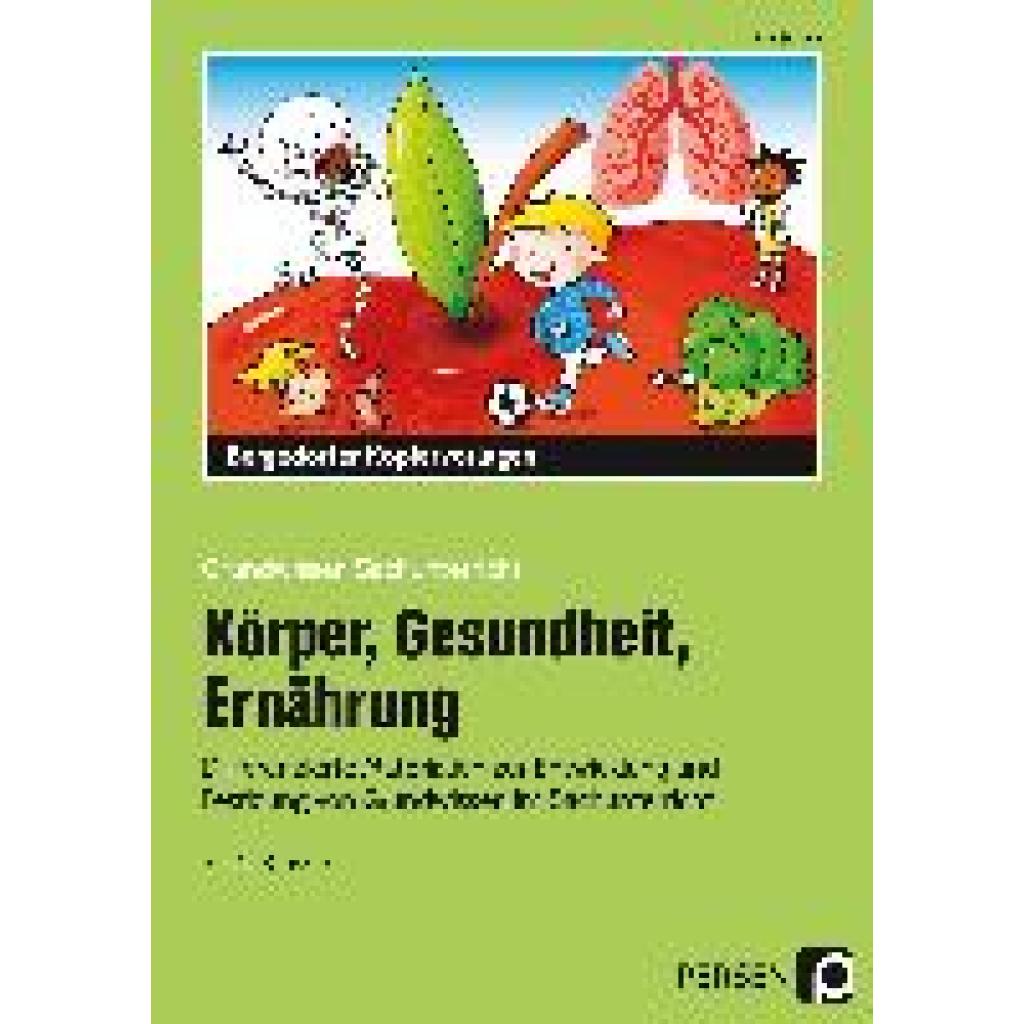
Rex, Margit: Körper, Gesundheit, ErnährungKörper, Gesundheit, Ernährung , Differenzierte Materialien zur Entwicklung und Festigung von Grundwissen im Sachunterricht (2. bis 4. Klasse) , Zündkabel & Zündkabelstecker > Elektrik & Zündungen , Erscheinungsjahr: 20180601, Produktform: Kartoniert, Beilage: Kopiervorlagen, klebegebunden, Titel der Reihe: Grundwissen Sachunterricht##, Autoren: Rex, Margit, Seitenzahl/Blattzahl: 80, Themenüberschrift: EDUCATION / Teaching Methods & Materials / General, Keyword: 2. bis 4. Klasse; Grundschule; Sachunterricht; Themenübergreifend, Fachschema: Sachunterricht / Lehrermaterial~Lernmittel~Unterrichtsmedium~Didaktik~Unterricht / Didaktik, Bildungsmedien Fächer: Sachunterricht, Fachkategorie: Schule und Lernen~Didaktische Kompetenz und Lehrmethoden, Bildungszweck: für den Primarbereich, Altersempfehlung / Lesealter: 23, Genaues Alter: GRS, Warengruppe: HC/Schulbücher/Unterrichtsmat./Lehrer, Fachkategorie: Unterrichtsmaterialien, Thema: Verstehen, Schulform: GRS, Text Sprache: ger, UNSPSC: 49019900, Warenverzeichnis für die Außenhandelsstatistik: 49019900, Verlag: Persen Verlag i.d. AAP, Verlag: Persen Verlag i.d. AAP, Verlag: Persen Verlag in der AAP Lehrerwelt GmbH, Länge: 293, Breite: 207, Höhe: 10, Gewicht: 494, Produktform: Kartoniert, Genre: Schule und Lernen, Genre: Schule und Lernen, Herkunftsland: DEUTSCHLAND (DE), Katalog: deutschsprachige Titel, Katalog: Gesamtkatalog, Katalog: Lagerartikel, Book on Demand, ausgew. Medienartikel, Relevanz: 0004, Tendenz: -1, Schulform: Grundschule, Unterkatalog: AK, Unterkatalog: Bücher, Unterkatalog: Hardcover, Unterkatalog: Lagerartikel, Unterkatalog: Schulbuch, WolkenId: 183114025,99 €*Versand: 0,00 €Sichere Weiterleitung zum Anbieter
-
Pflege in Einfacher Sprache: ErnährungPflege in Einfacher Sprache: Ernährung , Die Buchreihe Pflege in Einfacher Sprache erklärt Ihnen alle Inhalte für die Pflegeausbildung leicht verständlich: Einfache und kurze Sätze Große Schrift und Zeilenabstand Fachwörter werden erklärt Viele Bilder Extra Boxen "Merke" und "Praxis-Tipps" So können Sie : Den Lern-Stoff besser verstehen Die Prüfung bestehen Im Beruf richtig und sicher handeln Themen im Band Ernährung sind u.a.: Welche Organe sind beteiligt? Beobachtung des Ernährungszustandes Schluckstörungen Sonden und PEG Parentrerale Ernährung Ulkus Morbus Crohn und Colitis Ulcerosa Gallensteine Passend zu allen Lehrbüchern! Für wen ist dieses Buch: Pflegeschülerinnen und Pflegeschüler Pflegefachpersonen aus dem Ausland. Mit dem Buch können Sie sich schnell in leicht verständlichem Deutsch in die verschiedenen Themengebiete einlesen. , Retuschestifte & Spray > Autopflege & Aufbereitung , Erscheinungsjahr: 20230308, Produktform: Kartoniert, Redaktion: Elsevier GmbH, Seitenzahl/Blattzahl: 148, Abbildungen: 91 farbige Abbildungen, Keyword: Pflege verständlich; einfach erklärt; leichtes lernen; Anerkennungverfahren; Ausland; Migranten; Gesundheit; Pflegeausbildung; Pflegehilfe; Pflegeexamen; Pflegeprüfung; Krankenpflege, Fachschema: Krankenpflege~Pflege / Krankenpflege, Bildungszweck: für die Berufsbildung~für Spracherwerb und Sprachprüfungen~für besondere pädagogische Anwendungen, Warengruppe: TB/Medizin/Allgemeines, Lexika, Fachkategorie: Krankenpflege: Grundlagen und Fertigkeiten, Seitenanzahl: X, Seitenanzahl: 148, UNSPSC: 49019900, Warenverzeichnis für die Außenhandelsstatistik: 49019900, Verlag: Urban & Fischer/Elsevier, Verlag: Urban & Fischer/Elsevier, Verlag: Urban & Fischer Verlag, Länge: 265, Breite: 205, Höhe: 8, Gewicht: 448, Produktform: Kartoniert, Genre: Mathematik/Naturwissenschaften/Technik/Medizin, Genre: Mathematik/Naturwissenschaften/Technik/Medizin,25,00 €*Versand: 0,00 €Sichere Weiterleitung zum Anbieter
-
Anyway or anyways?
Both "anyway" and "anyways" are commonly used in spoken English to mean the same thing. However, "anyway" is more widely accepted and considered to be the standard form. "Anyways" is often considered to be more informal or colloquial. **
-
Doesn't or don't?
The correct form to use depends on the subject of the sentence. "Doesn't" is used with singular subjects, while "don't" is used with plural subjects. For example, "He doesn't like coffee" (singular subject) and "They don't like coffee" (plural subject). **
-
Gucci or Prada?
That is a subjective question and it depends on personal preference. Both Gucci and Prada are luxury fashion brands known for their high-quality products and unique designs. It ultimately comes down to individual style and taste. **
-
Do or make?
The choice between "do" and "make" depends on the context and the specific action being referred to. "Do" is generally used for activities or actions that involve performing or carrying out something, while "make" is used for creating or producing something tangible. For example, you would say "do your homework" but "make a cake." **
* Alle Preise verstehen sich inklusive der gesetzlichen Mehrwertsteuer und ggf. zuzüglich Versandkosten. Die Angebotsinformationen basieren auf den Angaben des jeweiligen Shops und werden über automatisierte Prozesse aktualisiert. Eine Aktualisierung in Echtzeit findet nicht statt, so dass es im Einzelfall zu Abweichungen kommen kann. ** Hinweis: Teile dieses Inhalts wurden von KI erstellt.